
One Configurator, Two Brands, Global Sales: How Samson Group Got CPQ Right
30+ machine models across two brands and three factories now configure in one Tacton CPQ, quoted by internal sales and external dealers alike.
What did selling look like before CPQ?
Like many manufacturers, Samson's first product configurator lived in Excel. Erwan Plouzennec had built it himself for the PICHON brand, starting with a single product range and growing it to cover the full catalog. It was a serious piece of work, and a real step up from the manual, card-based ordering that came before it.
Back then, sales wrote each order by hand, and the product team checked every one to catch mistakes. On sophisticated agricultural machines like Samson's, those mistakes are costly.
If you were lucky, you lose a few hundred euros. Usually, you were not so lucky.
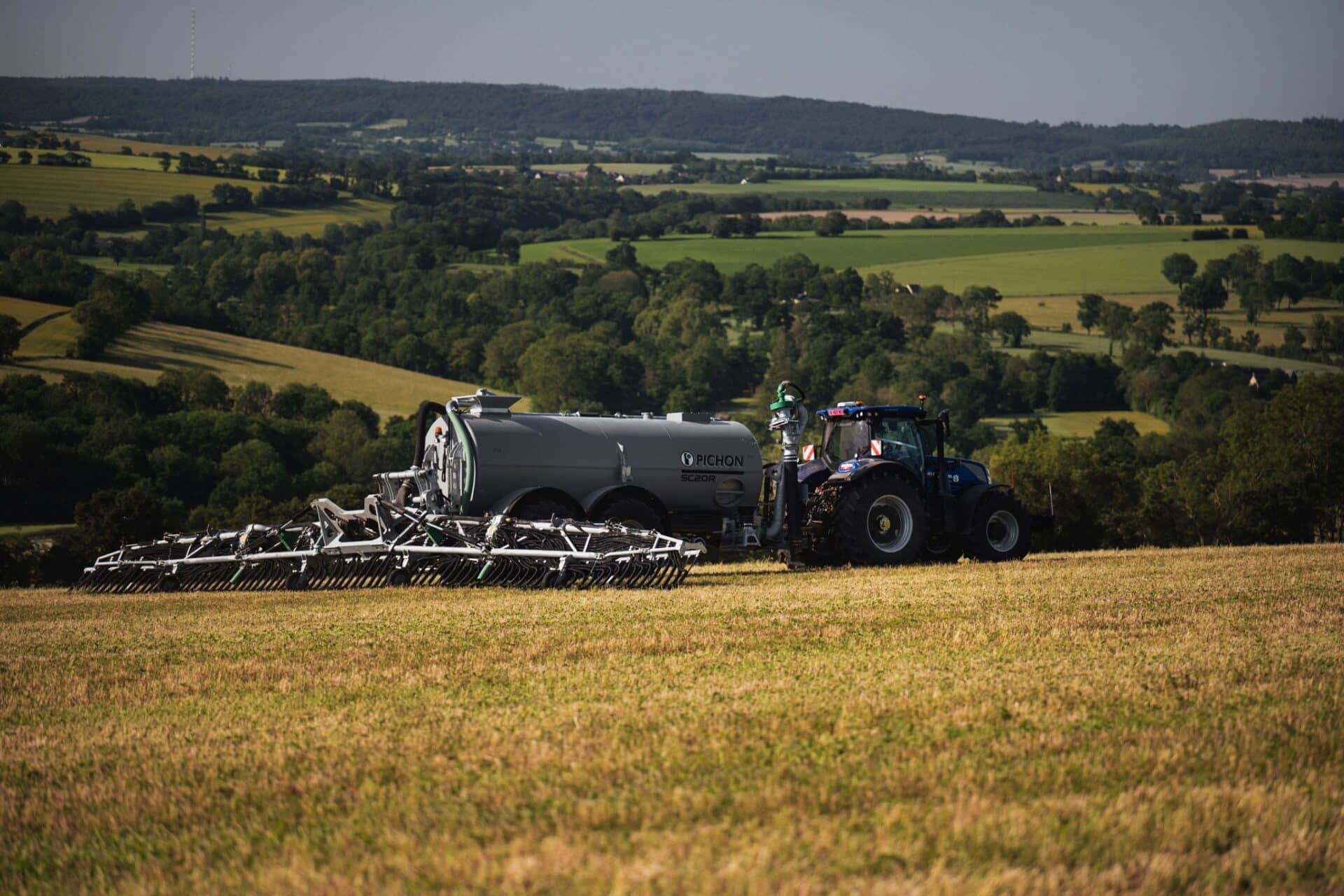
As Samson expanded into new markets, new ways of selling and new pricing structures came with it. The same tire could be standard equipment in one country and a paid option in another, which made consistent, transparent quoting hard.
Samson needed a system that could handle complex product configurations along with its pricing needs across multiple brands and global markets. Samson needed a cloud-based CPQ.
How did you choose a vendor?
Choosing the right partner took over a year. Erwan and Katrin Laskus spent months writing specifications because Samson wasn't just looking for an off-the-shelf CPQ tool. With three manufacturing sites in Denmark, France, and Poland, they needed a rethink of how the commercial side operated, and a tool to support it.
They contacted 18 CPQ vendors and narrowed the field to four. Three arrived with polished, static demos built to match Samson's specifications exactly. The demos looked perfect on the surface, but Erwan's team remained unconvinced.
cpq.se did what none of the other vendors dared. Lead Consultant Patrik Skjelfoss and his cpq.se team showed up with no slideshow and no rehearsed pitch. Instead, they started building a working configurator on the spot, solving the problems in front of them as the Samson team watched.
The others showed us exactly what we asked for, perfect on the surface. You dig a little, and it's static, not dynamic. cpq.se said, we'll build what you're asking from scratch, live, with you. You have to be very sure of your system to do that.
Erwan recognized the approach as the one he'd spent years improvising in Excel. The three-day workshop in Stockholm with Patrik and the cpq.se team settled it.
What made cpq.se different?
cpq.se worked with Samson the way a coach works with a team. Patrik and Principal Business Consultant Ida Sjöstedt led the work. They showed Erwan and Katrin how Tacton thinks, where its strengths lie, and how to model their products inside it. They asked the right questions about how Samson does business, then helped the team translate the answers into a working system.
We came in open-minded. If you stick only to what you know, you stay stuck. We wanted to learn from them, not just hand over a spec.
From there, Erwan and the Samson team built the models on their own understanding of the business, with cpq.se shaping the approach. Together, they designed solutions that fit how Samson actually works.
For example, Samson's pricing worked in a way few others in the industry do. Every machine starts from a standard configuration with its standard price. When a customer opts for a non-standard configuration, they see only the price difference of the options selected compared to the standard price.
Erwan and his team turned the Tacton implementation into a wider alignment of sales operations. By the end of the project, Samson and Pichon weren't just running on the same configurator. They were working together across the entire sales organization.
How did the rollout go?
The system went live in May 2025 with 25 internal sales managers across the group. A year later, Samson rolled it out to their dealer network.
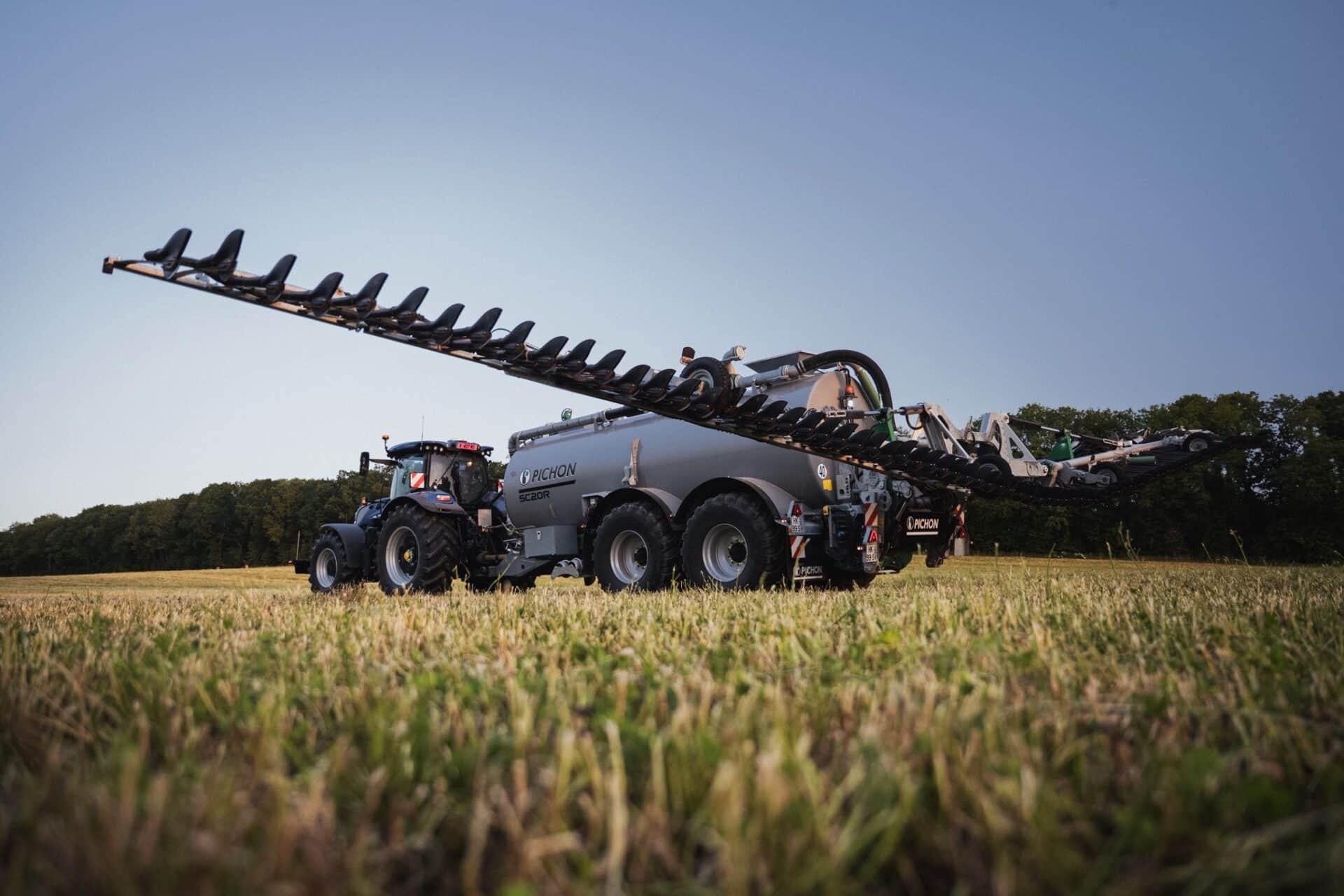
Getting there took more than handing over access. Tacton CPQ is powerful, which means each user has to understand how it behaves. With the help of cpq.se, Erwan and his team built guidelines for both internal sales managers and dealers, covering the workflow from start to finish, with training alongside.
Opening the system to external sales partners was the step the whole project had been building toward. Dealers now configure machines directly inside Tacton CPQ, which means Samson can trust the orders coming without checking every line by hand.
That trust rests on the work that came before: the rules in the configurator, the guidelines around it, and the year spent with internal sales teams before extending access to their dealer network. Each step had to hold before the next one could be taken.
The goal was never just a tool for our sales team. It was to have a new sales process where everyone, internal users and dealers, are building on the same system we can all trust. We're there now.
What did you get beyond a configurator?
What started as a CPQ implementation became the backbone of how Samson does commerce. The same configurator now shapes how orders move through production. It keeps pricing consistent across countries while still producing the exact machine each customer needs.
With the configurator in place, Samson plans to connect it to a PLM system in the coming years, closing the gap between what engineering designs and what sales can offer.
Erwan's advice to others starting their own CPQ project comes back to the foundation: know what you want before you start, and put it in writing.
Spend time setting your own requirements. Even if they aren't followed exactly, they remain a guideline. With time, you forget things. Having it all written down matters.
Frequently asked questions
The cpq.se team on this project




Selling something that can be configured wrong?
A conversation about your product's complexity costs nothing, and needs no prep.
Related stories
Distributors in 35 countries configure truck-mounted cranes themselves, every order correct, in the local language.
A configurable product with billions of combinations, quoted by distributors with a live drawing.
During the Sweden launch, quote requests went from about 2 to about 20 per week: a campaign brought the traffic, the AI assistant made it convert.
A conversational layer on top of HMF's existing CPQ, CRM and PIM. From workshop to a working end-to-end flow in six weeks, now in internal testing ahead of dealer rollout.