
CPQ with DynaMaker: a live CAD drawing in every quote
What DynaMaker adds to Tacton CPQ: a drawing generated from the configuration, in the quote, in real time. How it works, what it outputs, and what SWIFT got from it.

The gap a configurator leaves open
A good configurator answers two questions: can this be built, and what does it cost. It does not answer the third one every buyer of a physical product asks: what does it look like, and does it fit? For a truck-mounted crane, a home elevator or a piece of machinery going into a building, that question decides the deal. Until it is answered, the quote is a table of part numbers.
The traditional answer is a drawing from engineering, a few days later, for the configuration as it was when the request went in. Change one option and the loop starts again. We have watched sales teams avoid asking for drawings at all, because the wait cost them the momentum of the conversation.
What DynaMaker does differently
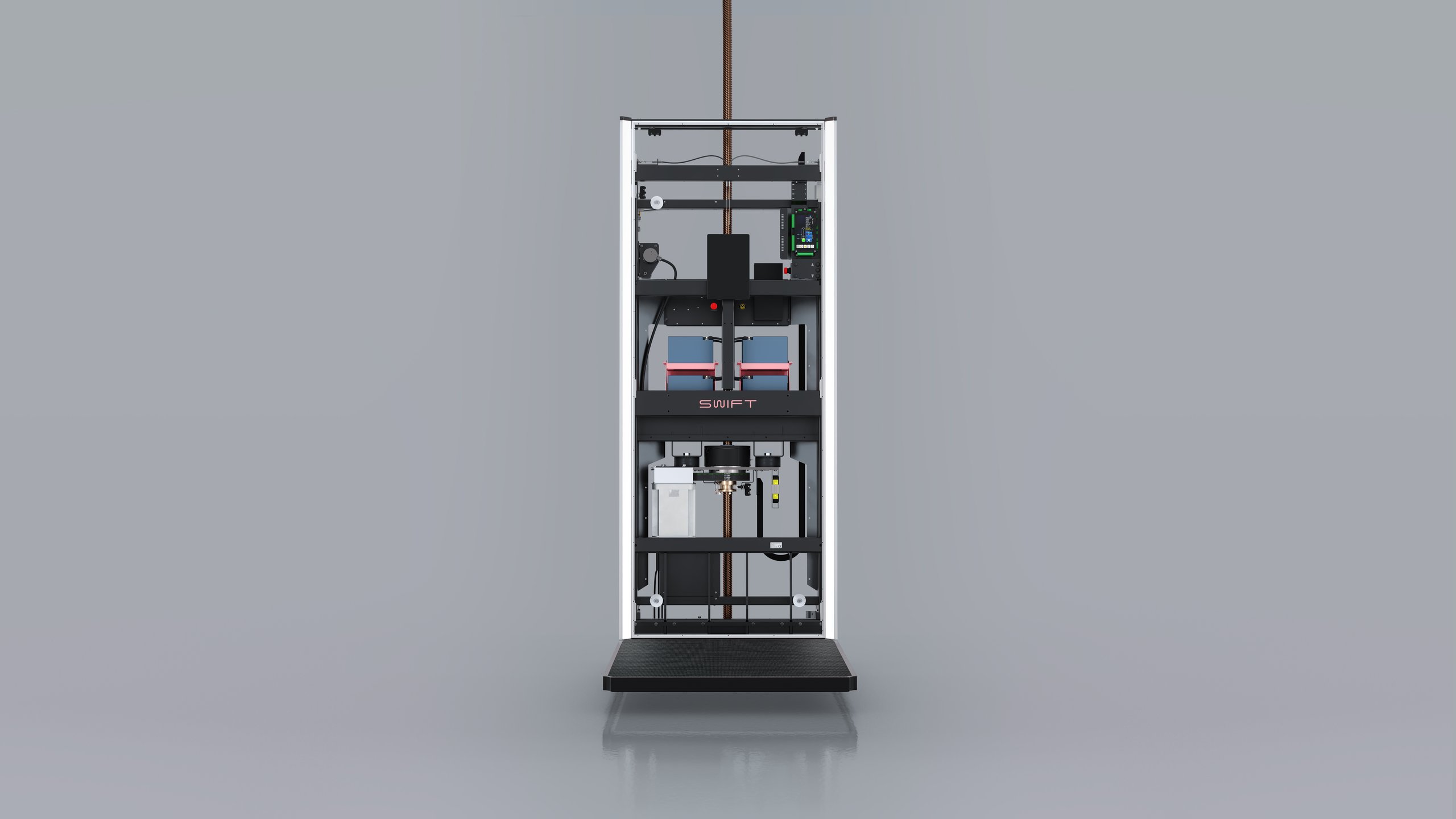
DynaMaker is a CAD engine driven by parameters. You model a product family once, with the dimensions, options and materials as variables. The engine then produces any variant on demand, as a 2D drawing or a 3D model, in the time it takes to render it.
Connected to a configurator, the parameters are the configuration. Pick a longer jib, a different door, a wider platform, and the drawing changes with it. There is no request, no queue and no version mismatch, because the drawing is a view of the configuration rather than a document about it.
Three things follow from that, and they matter more than the visual effect:
- The drawing is always current. It is generated from the configuration that is being quoted, so the customer never approves last week's version.
- One source of truth. The configuration drives the price, the specification and the drawing. They cannot disagree.
- Engineering leaves the sales loop. Drawings for quotes stop being engineering work. Engineers keep the drawings that matter: new products, special cases, production.
What comes out
The same parametric model can produce whatever the buyer's side of the table needs. In SWIFT's case that is a PDF drawing embedded in the quote document. For a building project it can be a BIM file the architect drops into the model, which we wrote about in CPQ and BIM. For a customer's engineers it can be DXF or STEP so they can check the fit in their own CAD.
None of this is drawn afterwards. Each format is a different export of the same generated geometry, which is why adding a format is a setting, not a project.
How it sits next to Tacton CPQ
The split is clean. Tacton CPQ holds the product rules: what fits what, what excludes what, what it costs. Its constraint solver keeps every configuration buildable, the part we describe in our guide to the CPQ configurator. DynaMaker holds the geometry: how a valid configuration looks and measures.
Tacton passes the configuration to DynaMaker, DynaMaker returns the drawing, and Tacton puts it in the quote. The salesperson sees both in one screen. The customer sees both in one document. Neither system pretends to do the other's job, which is the reason the combination holds up in production. We have built it for SWIFT and shown it to many others, and the reaction is the same every time: the conversation moves from "send me a drawing" to "make the platform wider".
What SWIFT got from it
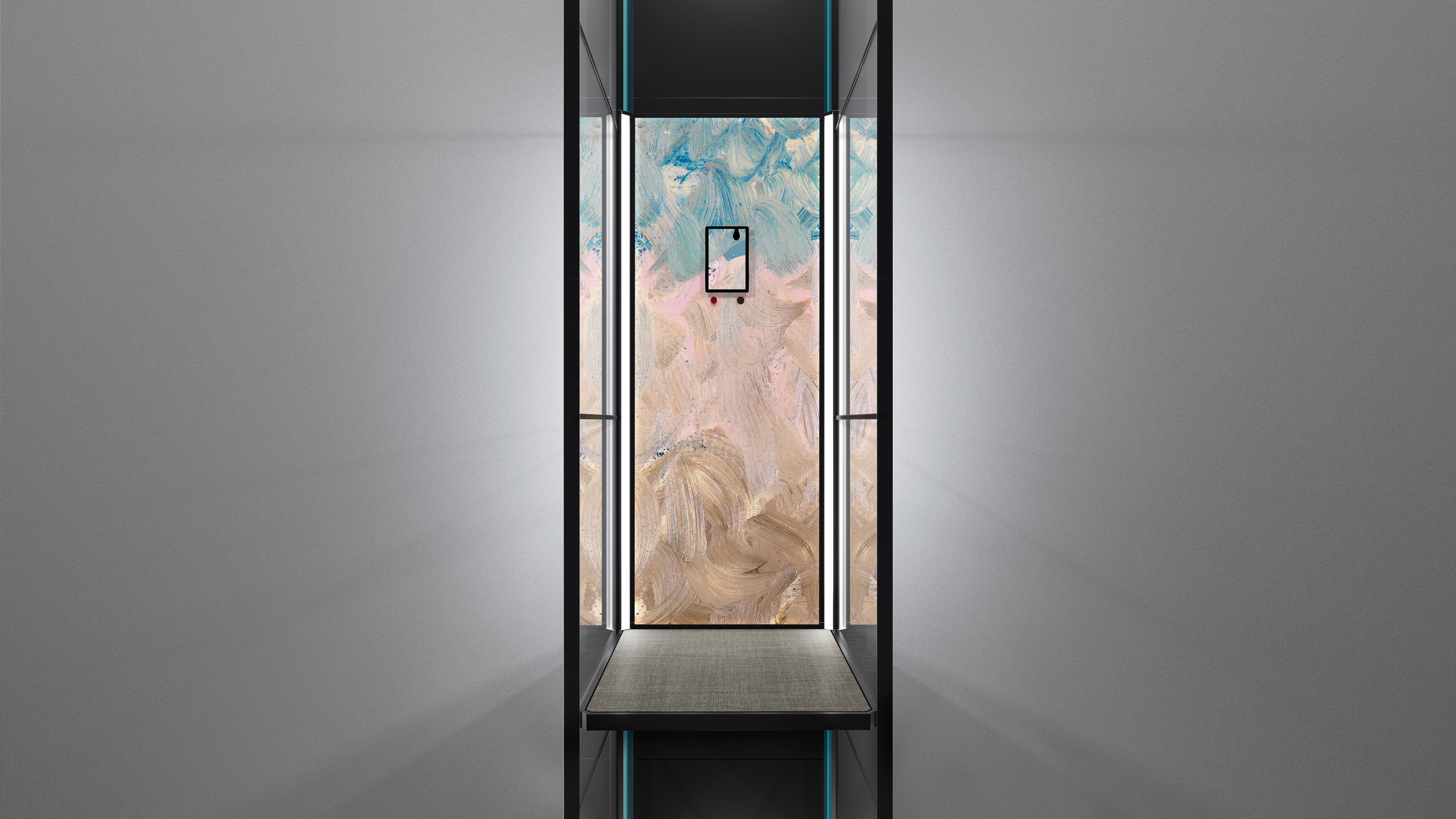
SWIFT Home Lifts sells design-first home elevators through distributors in Asia, the Middle East and Europe. A home elevator is bought on design as much as function, and the product has billions of valid combinations of colours, doors and travel heights.
Before CPQ, an order-taking department turned emails and PDF templates into quotes by hand, and drawings came later. Today distributors configure the elevator themselves in Tacton CPQ, watch DynaMaker draw it as they go, and send a quote with the drawing in it while the customer is still in the conversation. Revisions take minutes. And because the configuration is the single source of truth, the elevator installed six months later is the one in the drawing. Left and right swaps, mismatched colours and wrong measurements, the mistakes that used to reach the site, are gone.
Is it for your product?
The test is simple. If your customers ask to see the product before they order, or your engineers draw for quotes that never become orders, you have the problem DynaMaker solves. The modelling work is real: someone has to describe the product family parametrically once. It is a fraction of the drawing work it replaces, and it is the same product knowledge the configurator needs anyway.
cpq.se is a Tacton reseller and implementation partner, and we build the Tacton-to-DynaMaker connection as part of an implementation when the product calls for it. Bring one product family to a meeting and we will tell you whether a drawing in the quote would change how it sells.
Frequently asked questions
Related posts
An exact CAD-drawing A fully fledged visualization with perfect surface A dynamic CAD drawing
Enhance visual product customization, streamline sales processes, and empower users for optimal efficiency and customer satisfaction.
The question we want to answer is how we can go live and how can we leverage the functionality in our standard CPQ setup for the first release.